
PT
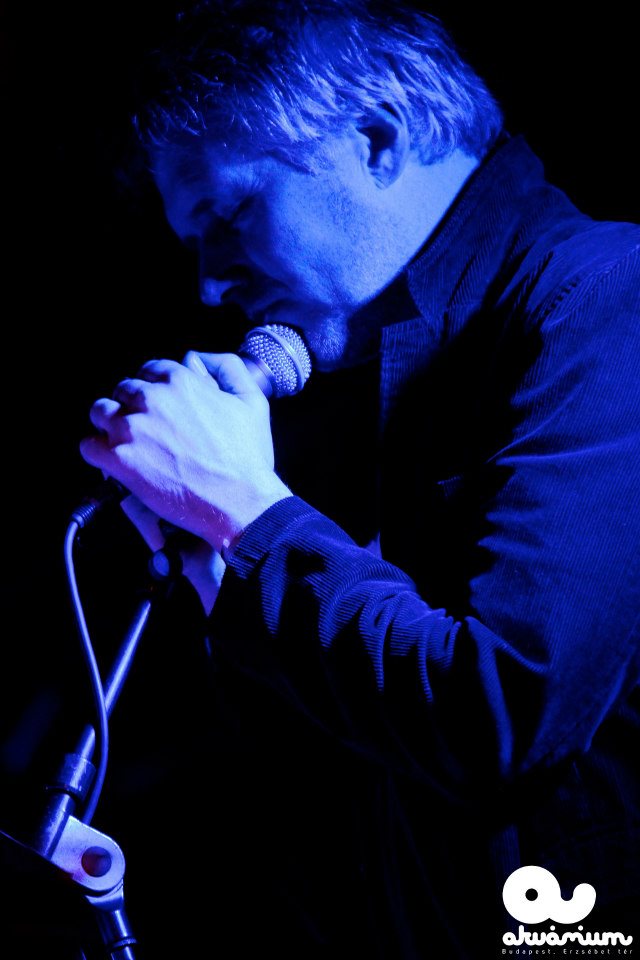
Jan Kleefstra é um poeta. Com o seu irmão Romke fazem performances e musicstages há vários anos sobre poesia holandesa. Em diferentes colaborações eles procuram constantemente a combinação de poesia, música e às vezes vídeo. Com a sua performance peculiar, eles criam uma atmosfera que compara o espaço da terra e da água onde os seres humanos são apenas os perturbadores. Para mais veja http://romkekleefstra.blogspot.nl/ ou poderá encontrá-lo no LinkedIn sob o nome de Jan Kleefstra, poeta na música.
A sua escrita pode ser apenas a expressão de um fascínio infantil. A razão pela qual o instrumento encontra palavras. Sem forma. Sem estrutura, sem modelos, nunca uma composição. Ele só faz perguntas e escuta, ele vê, cheira e sente e combina as palavras que vêm juntas de qualquer maneira, que possam surgir, para dar expressão às suas experiências. Sem considerações, sem ideias preconcebidas, nunca um ofício, nenhuma técnica. O fragmento pode nunca ser situado. A escrita formula uma expressão abstrata para que os sentidos a possam observar. E o reflexo do que cai em fragmentos que são parte de um grande todo que nunca vai chegar a um fim.
A experiência foi feita, mas ainda bate em torno de si mesmo. O desafio está em silêncio. E se em algum lugar a experiência é sempre furiosa e a sua imitação ri-se da morte, lentamente a compreensão surgirá com o ruído único do pouco que tem sido dito.
Com o apoio da TRESOAR
—
EN
Jan Kleefstra is a poet. Together with his brother Romke they already perform for several years on Dutch poetry- and musicstages. In different collaborations they search constantly for the combination of poetry, music and sometimes video. With their way of performing and reciting they create an atmosphere that compares to the space of the land and water in which human beings are only the disturbers. For more see http://romkekleefstra.blogspot.nl/ or find him on linkedin under the name Jan Kleefstra, poet on music.
His writing may only be the expression of a childlike fascination. The reason the instrument to find words. Without form it has to be. Without structure, without models, never a composition. He only asks questions and listens, he watches, smells and he feels and combines the words that come together in whatever way they arise, to give expression to his experiences. No considering, no preconceived ideas, never a craft, no technique. The fragment may never be situated. Writing has to give an abstract expression wording to what the senses observe. And the reflection of that falls in fragments that are part of a large entire that will never come to an end.
The experiment has been done, but still beats around oneself. The challenge lies in the silence. And if somewhere ever the experiment is ceased raging and his imitation has laughed itself to death, than slowly the understanding will arise that with noise only little has been said.
With the support of TRESOAR
 Portugal SLAM